






















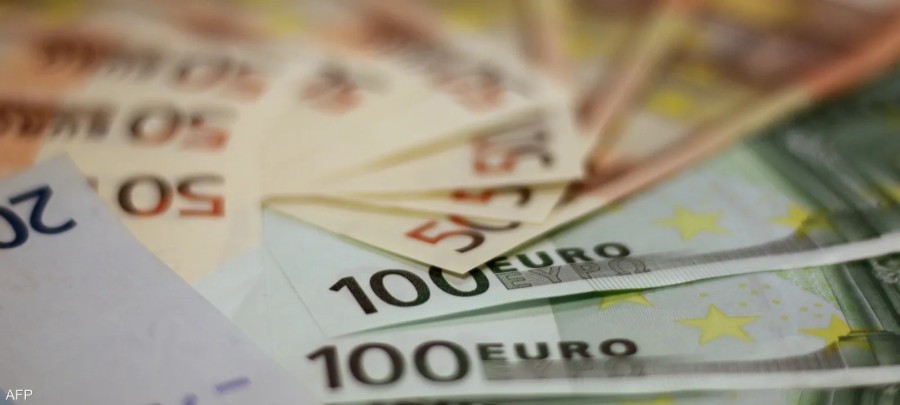


The euro fell in the European market on Monday against a basket of global currencies, deepening its losses for the second day in a row against the US dollar, recording its lowest level in two months, amid a reluctance to take risks in the markets, due to renewed geopolitical tensions in the Middle East region, especially after Iran and Israel exchanged military strikes.
Undoubtedly, rising global oil prices are renewing fears of accelerating inflation, which could prompt global central banks to raise interest rates in the near term, in a sharp departure from pre-war expectations of lowering or holding interest rates steady for a long period.
Price overview
Euro exchange rate today: The euro fell against the dollar by about 0.15% to ($1.1506), its lowest level since April 6, from Friday's closing price of ($1.1521), and recorded a high during today's trading at ($1.1535).
The euro ended Friday's trading down 0.8% against the dollar, its second loss in the last three days and its biggest daily drop since March 13, due to strong new jobs data in the United States.
The euro lost 1.2% against the dollar last week, its third weekly loss in a month, due to rising US yields and renewed tensions in the Middle East.
US dollar
The dollar index rose 0.1% on Monday, extending its gains for the second consecutive session and hitting a two-month high of 100.17 points, reflecting the continued rise of the US currency against a basket of global currencies.
Strong jobs data released on Friday in the United States boosted investors' bets that the Federal Reserve will normalize monetary policy and raise interest rates this year.
The dollar is receiving further support from renewed demand for it as an alternative investment haven, amid escalating military confrontations between Iran and Israel, which threaten to collapse the fragile ceasefire agreement in the Middle East.
global oil prices
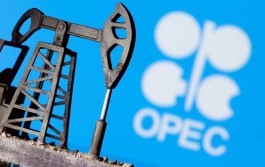
Global oil prices rose more than 3% on Monday, resuming strong gains that had paused for two days, and heading towards a multi-week high, due to renewed concerns about supply disruptions from the Middle East region, amid an exchange of military strikes between Iran and Israel.
Developments in the Iranian war
Iran and Israel have exchanged military strikes, threatening the fragile ceasefire in the Middle East.
The Iranian Revolutionary Guard launched a wide-scale attack with successive waves of ballistic missiles targeting Israeli sites, including the Ramat military base, in response to the raids that hit the southern suburbs of Beirut.
The Israeli army announced the interception of the Iranian missiles, coinciding with the activation of sirens and raising the state of maximum alert in hospitals and schools.
US President Donald Trump made an urgent phone call to Israeli Prime Minister Benjamin Netanyahu, urging him to hold off and not respond immediately to the Iranian missiles.
The Israeli Air Force launched fierce raids targeting military targets and sites inside the capital, Tehran, where powerful explosions were heard throughout the city.
Trump informed the Israeli side that Washington was close to reaching a final agreement with Tehran under Pakistani auspices, and asked that diplomacy be given a few more days without military escalation.
It is worth noting that the fragile ceasefire between the United States and Iran has been in place since early April.
Trump sent a strongly worded message to Tehran, saying: You have launched your missiles... that's enough, come back to the negotiating table immediately.
Trump says the new Israeli and Iranian strikes will not affect the peace agreement.
European interest rate
Amid rising global oil prices, the money market's pricing of the likelihood of the European Central Bank raising European interest rates by about 25 basis points in June has increased from 93% to 98%.
Sources told Reuters that the European Central Bank is very likely to raise interest rates in June, given inflation expectations that are heading towards an undesirable scenario.